Saving Water at Home
Water is one of our most valuable resources. Using water wisely helps protect local waterways, supports our community during dry periods, and can reduce household costs. A waterwise home is about understanding how water is used and making simple, practical changes that add up to long‑term savings.
Why Being Waterwise Matters
Water supplied to homes is collected from natural sources, treated, and delivered through an extensive network of infrastructure. Reducing water use helps safeguard these sources and ensures reliable supplies for the future. Using less water can also save energy, reduce household expenses, and lessen the impact on the environment by lowering wastewater discharge into rivers and oceans.
How Much Water Do You Use?
Understanding your household water use is the first step to becoming more waterwise. Residents can:
- Check their water rate notice to see daily water consumption and local averages
- Learn how to read their water meter to identify potential leaks
- Complete a simple home water audit to understand where water is being used most
Once you know your usage, you can set a realistic water‑saving goal for your household. Your local council can also advise if voluntary water targets apply in your area.
Saving water at Home
Do you know how many times a day you use water? Well, Water Night is the perfect opportunity for you to find out. You are sure to discover you use water a lot more than you thought. Sign up your household at www.waternight.com.au and discover how addicted you are to your taps. In the meantime check out these helpful tips.
Bathroom
- Shorter showers save water and energy. Limit time spent in the shower to soap up, wash down, and rinse off.
- Use a shower timer. Choose from a manual 4-minute egg timer or an electronic timer.
- Avoid rinsing your razor under a running tap, instead fill the basin with a little warm water.
- Shave your legs before taking a shower, then use the shower water to rinse off.
- Adding cold water to cool very hot water is a waste. So, make sure your hot water system thermostat is not set too high - ideally no higher than 60°C.
Toilets
- Buy a dual flush toilet with a four-star water efficiency rating. These toilets use just 4.5 litres for a full flush and 3 litres for a half flush.
- Old toilets use around 18 litres per flush, so put a water filled plastic bottle or a brick into your cistern to reduce the water used.
Taps
- A running tap uses about 5 litres of water per minute so turn off the tap when brushing your teeth and wet your brush and use a glass for rinsing.
- A dripping tap can waste up to 12,000 litres a year. So if your tap is dripping get it fixed.
Kitchen
- Don’t rinse dishes under a running tap. If you have two sinks, fill the second one with rinsing water. If you have only one sink, stack washed dishes in a dish rack and rinse them with a pan of hot water.
- When boiling vegetables, use enough water to cover them and keep the lid on the saucepan. Your vegetables will boil quicker and maintain precious vitamins in the food.
- Garbage-disposal units use about 6 litres of water per day. Put suitable food scraps into a composter or worm farm rather than down the kitchen sink.
- The dishwasher is the highest consumer of water in the kitchen. Install a water efficient model and save water and money.
- Only run your dishwasher when it’s full.
Pets
- When bathing your pets, run a shallower bath than you would for yourself.
- When cleaning the fish tank, use the ‘old’ nitrogen, phosphorous-rich water on your plants.
Saving water in the garden
Install a rainwater tank
- Rainwater tanks save water and help save the environment.
- Rainwater tanks provide flexibility for garden watering.
- You can also connect your rainwater tank to your toilet and/or laundry and save even more water.
- Using rainwater instead of mains water will reduce your water volume charges on your water bill.
Use Mulch
- Mulch can reduce evaporation of water from soil by up to 70%.
- Mulch suppresses weeds, adds nutrients and reduces run off and soil movement.
Only water when needed
- Put your finger into the soil and if it is moist below the surface you don’t need to water.
- Check the weather forecast. If there’s rain due, let the rain do your watering for you.
- Only water between the hours of 6pm and 10am to reduce evaporation loss.
- Only water the plant root zone to avoid wasting water where plants won’t use it.
- Use drip irrigation under mulch if possible as this is the most water efficient method of garden watering.
Select plants carefully
- Select plants that have low watering needs where possible.
- Position plants with similar watering needs together as this saves water and also helps keeps plants healthier by providing the right amount of water.
- Consider your soil type and amount of shade when selecting plants.
Check for leaks
- Check your taps regularly for signs or sounds of leaks.
- A tap dripping at a rate of 1 drip per second loses over 12,000 litres/yr. Garden taps are cheap and easy to replace.
- Wet patches on the ground could indicate a possible underground leaking pipe or watering system. Call a plumber to fix any leaking pipes.
Permanent Water Saving Rules
- Permanent Water Saving Rules apply every day of the year.
- A watering system must only be operated between the hours of 6pm and 10am.
- A hand-held hose fitted with a leak free trigger nozzle or a bucket can be used at any time.
- Hosing-down driveways or paths is not permitted except under special circumstances. Check details on the website of your local water corporation
Saving water in the laundry
15-20% of all water consumed in the home is used in the laundry. In addition to water, washing machines also use large amounts of energy and detergents.
By law, all washing machines must carry a WELS label (The Water Efficiency Labelling and Standards Scheme) which gives a star rating for the machine’s water efficiency. The more stars, the less water the machine uses per wash. The label also provides water consumption in litres for each cold and warm wash. All machines will also display a label for energy efficiency. To minimise your total running costs, you should select a model within your budget that is high in both water and energy efficiency.
Selecting a washer
- Choose a water efficient front loading washing machine.
- Check the water efficiency performance of any product before buying.
- Look for washing machines that have a four or more WELS star rating.
Using your washer
- To save water and energy, always run your washing machine on full load. Wash with a full load and you will save 10 litres of water each wash.
- Adjust the water level to suit the size of the wash load - some new water efficient models will do this automatically.
- Washing in cold water saves energy and may not compromise the quality of the wash.
- Use the sud-saver option - if your machine has one - when you have several loads to wash.
Other laundry tips
- Leaking taps can usually be fixed with a new washer, this is easy to do. Just remember to turn the water off at the mains before you start.
- If the tap still drips, call a plumber. The cost incurred will save you money on your water bills in the long run.
- Insulate hot water pipes, this avoids wasting water while waiting for hot water to flow through and saves energy.
- Make sure your hot water system thermostat is not set too high - ideally no higher than 60°C. Adding cold water to cool very hot water is a waste.
- Install water efficient tapware or retrofit old tapware with aerators or flow control valves.
Saving Water with Pools
Uncovered pools can lose up to 55,000 litres annually through evaporation which is a big deal.
Using a solar pool cover can help you to stop 97% evaporation. This is great for water saving but is also helpful for reducing expensive chemical consumption by 30-60%.
- Choose a Smart WaterMark approved pool cover to make significant water and energy savings.
- Smart WaterMark only approves pool covers that adhere to Swimming Pool and Spa Association (PASCAA) standards. These covers are durable
and fit to withstand high amounts of chemicals and the harsh Australian climate.
- Smart WaterMark approved pool covers also;
- Pool covers reduce evaporation.
- Pool covers reduce expensive chemical and salt evaporation.
- A good pool cover conserves water temperature and as a result save on energy bills and greenhouse gas.
- Covers help reduce algae growth which in turn means less scrubbing and chemicals.
- You can even increase your pools temperature without increasing energy costs.
- Save time and energy cleaning the pool. Covers keep water cleaner as they serve as a barrier to debris, leaves and yard litter
Other pool tips
- Planting strategic shrubs and fences around your pool will also compliment the pool cover by reducing further water loss through wind evaporation.
- Turning off fountains and waterfalls or running them occasionally instead will also help.
- Reduce the amount of backwashing you do to save water and maintain the effectiveness of your pool filters.
- Monitor the temperature you set for your pool so as seasons change so you can down it down during the warmer months.
- Use a timer on your pool that can also be programed to run at different times during different times of year.
Changing pool behaviour
It is important to remember that pools are designed for us to have fun. However, there are ways that we can do this without wasting water.
Try the following:
- Concentrate on keeping water in the pool.
- Discourage pool users from bombing and continually getting out and jumping back into the pool.
- Drip dry on the top step so that water goes back into the pool.
Saving Water with Mulch
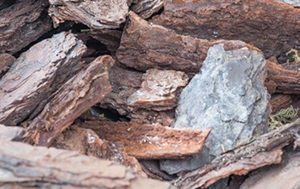 Course Mulch - Pine bark, pebbles and even recycled concrete and bricks makes a long lasting mulch and is excellent for preventing weeds. It also is very good for keeping the soil cool, particularly if it is lightly coloured. This sort of mulch can be 5-7cm deep.
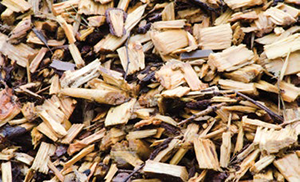 Medium Mulch - Wood chips are also excellent for reducing weeds. This sort of mulch is usually laid 2.5cm – 5cm deep.
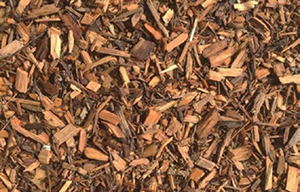 Fine Mulch - Sawdust and euca can stop water getting into the soil, so don’t make it too thick - about 2.5cm deep. Don’t forget to top it up each year when the ground is starting to dry out.
- Keeping your garden mulched is essential for creating healthy soil and
maintaining a water efficient garden.
- Mulch keeps your soil cool, suppresses weeds, adds nutrients and reduces run off and soil movement.
- Mulch can reduce evaporation from soil by up to 70%.
- Any mulch is better than no mulch
6 steps to Marvellous Mulching
- Remove weeds.
- Moisten the soil thoroughly.
- If water is running off the surface fork through some compost.
- Lay your mulch depending on the type you have selected.
- Don’t mulch right up to the stems of your plants as this can cause fungal disease… no one wants that! Leave a gap of at least 4cm.
- Top up your organic mulch every year or more frequently if your mulch has broken down a lot.
Early Leak Detection
You can lose a few litres of water an hour from a slow dripping tap. If the leak is from a hot water pipe or a pumped water supply, you’ll also be facing a significant energy cost.
A continuously running toilet can waste up to 96,000 litres of water per year, yet toilet leaks often go unnoticed as the water trickles down the back of the bowl. This makes fast detection and repair even more important.
Use your meter to check for leaks
- Choose a time when you are not using any appliances that use water i.e. overnight.
- Make sure all taps are turned off.
- Allow all tanks and cisterns to completely fill (this can take up to 30 minutes).
- Take an initial meter reading (read both the black and the red digits).
- Leave all appliances turned off overnight.
- Take another reading first thing in the morning before you use any water.
- Check if the last numbers on the dial have changed. If yes, you have a leak. The greater the
change, the bigger the leak!
- If you suspect you have a large leak, you’ll probably need help from a plumber with specialist equipment.\
Other checks to make
- Check your taps and toilets regularly for signs or sounds of leaks.
- Check your hot water system’s expansion valves when you haven’t used any hot water for a while. The valve shouldn’t be constantly leaking water.
- Disconnect hoses or irrigation pipes that are always connected to garden taps. Then check the taps aren’t leaking.
- Look for green patches of grass that are different from the grass around it. This can mean you have an
underground pipe leak.
- Toilet cisterns shouldn’t release any water between flushes. To check yours, place a small piece of
dry toilet paper at the back of the toilet bowl and check that it stays dry until the next flush.
- If you want to check your toilets for other leaks, follow these simple steps:
- Remove the lid of your toilet cistern.
- Place a few drops of food dye into the cistern.
- Do not flush your toilet for 10-15 minutes.
- If the dye has seeped down into the bowl when you return, then you know you have a leak.